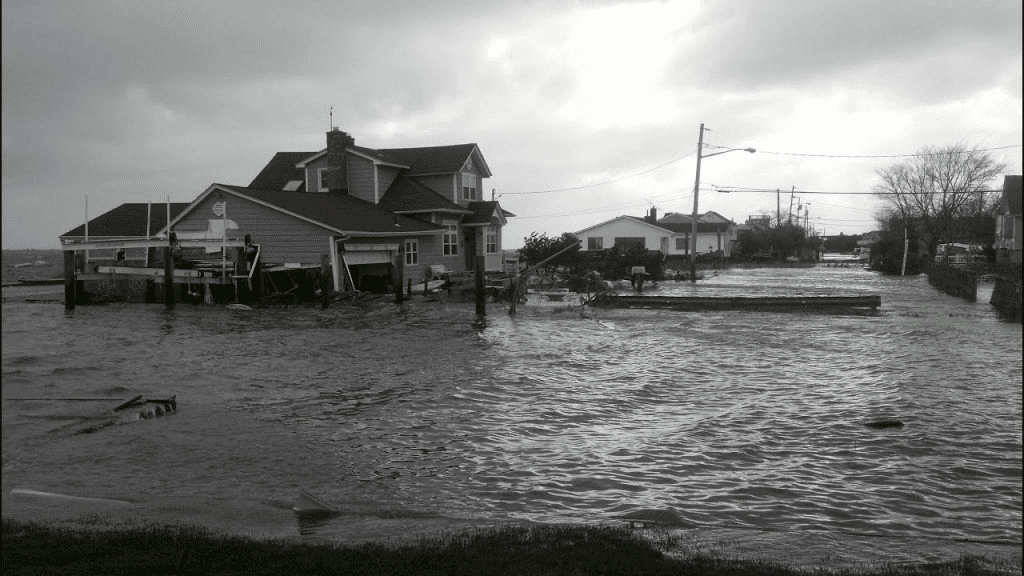
Storm and Wind Damage Claims
Storm and wind claims are often under-scoped when roof damage, siding impact, water intrusion, and structural movement are dismissed as age or maintenance. We document the full event-related loss before insurance reduces the payout.

Call a storm damage public adjuster before the carrier calls it wear and tear.
Storm damage is often larger than what the adjuster sees in a quick inspection.
Insurance may document a few missing shingles and ignore lifted tabs, damaged flashing, siding impact, interior leaks, attic moisture, gutter damage, and structural movement caused by wind or hail.
The carrier may call covered storm damage "wear and tear."
That label can shrink or deny a claim. Diamond Adjustment documents the weather event, photographs the full exterior and interior impact, uses roof and moisture evidence, and connects the damage back to the storm.
What We Document
Roof and Exterior Damage
Wind-lifted shingles and compromised seals
Missing shingles, flashing, ridge caps, vents, and gutters
Hail impact to roofing, siding, windows, and soft metals
Drone and close-up photo documentation
Matching-material and code-upgrade requirements
Interior and Hidden Damage
Water intrusion from storm-created openings
Ceiling, wall, attic, and insulation moisture
Structural movement or framing concerns
Electrical exposure and safety hazards
Mold risk from delayed or incomplete repairs
Full Claim Handling
Policy review for wind, hail, water intrusion, and code coverage
Meeting the insurance adjuster on-site
Contractor estimate coordination
Negotiation for full exterior and interior restoration
Appeals when insurance blames age, maintenance, or prior damage
Free Storm Damage Claim Review: We inspect the full storm path, document covered damage, and prepare the evidence needed to challenge a low or denied insurance estimate.


What Homeowners Say After Getting Paid Correctly
Trusted in NY, NJ, and CT, we handle claims from start to finish.









Don't Fight the Insurance
Company Alone
Free claim review. Same-day response. Attorney-backed
representation. Zero risk.

feel free to call us

Email us now